When Maya, a bright 10‑year‑old with a love for dinosaurs, walked into her classroom, she noticed the chatter around her. The conversation was a whirlwind of jokes, gestures, and quick glances—an orchestra of social cues she couldn’t quite tune into. Like a puzzle missing a few pieces, she felt the world’s rhythm slipping away. Her story is a common one for autistic girls who face autistic girls social skill challenges. This article unpacks those challenges, explores their roots, and offers practical ways to help them thrive.

What Are Autistic Girls Social Skill Challenges?
Core Social Hurdles
Autistic girls often struggle with:
- Interpreting non‑verbal signals such as facial expressions and body language. Initiating or maintaining conversation, especially in group settings. Understanding sarcasm, idioms, or figurative language, which can feel like decoding a secret code. Managing sensory overload, where loud noises or crowded spaces become overwhelming.
Misconceptions and Masking
Many parents and teachers mistakenly think that because autistic girls are often more socially adept than boys, they don’t need support. In reality, they may be masking their difficulties—pretending to understand a joke while internally feeling lost. This masking can lead to burnout and heightened anxiety.
> “The mask can be a protective shield, but it often turns into a trap that keeps them from seeking help.” – Dr. Emily Carter, Autism Researcher
The Roots Behind the Challenges
Neurological Foundations
Research shows that differences in brain connectivity affect how autistic girls process social information. These neural variations can make it harder to pick up on subtle social cues, leading to misunderstandings.
Environmental Influences
- Cultural expectations: Societal norms often pressure girls to be more communicative, increasing the likelihood of masking. Educational settings: Traditional classroom structures may not accommodate diverse communication styles.
Real‑World Impact: Everyday Scenarios
School and Peer Interaction
In a typical school day, a girl might:
- Miss a joke that a friend made. Feel excluded during group projects. Struggle to ask for help when needed.
Family Dynamics
Family conversations can be a minefield of assumptions. A simple “Did you enjoy your day?” may be interpreted as a request for a detailed report rather than a casual check‑in.
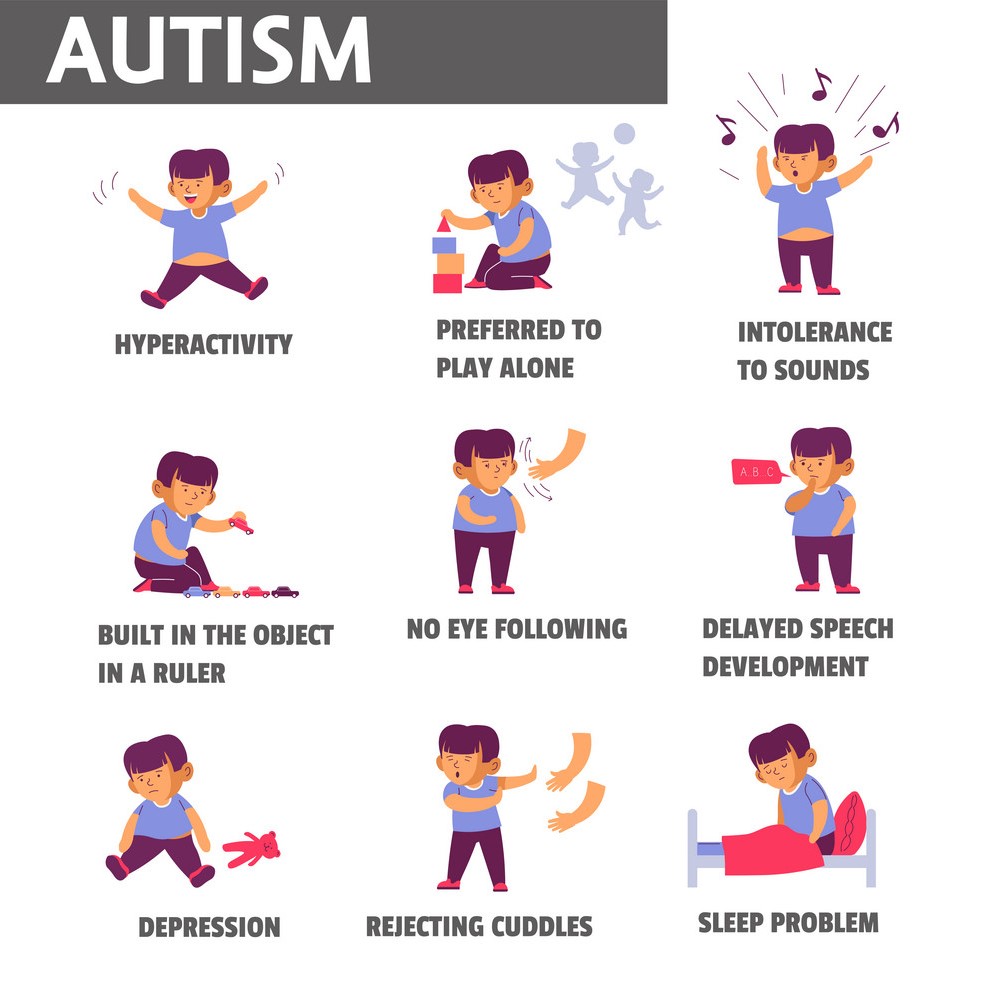
Transition to Adulthood
As autistic girls grow, they face challenges in:
- Navigating workplace social norms. Building romantic relationships. Managing self‑advocacy in healthcare settings.
Practical Strategies for Parents and Educators
Building Trust and Safety
- Create predictable routines. Use visual schedules to outline daily activities. Offer a calm, quiet space for sensory relief.
Structured Social Stories
Social stories break down complex interactions into bite‑size steps:
- Narrative: “When you see a friend smile, you can smile back.” Illustration: Pictures of smiling faces. Repetition: Practice the scenario in a safe environment.
Encouraging Authentic Expression
- Validate feelings: “It’s okay to feel overwhelmed.” Provide alternative communication methods: sign language, text, or drawing. Celebrate small victories, like initiating a conversation.
Empowering the Girl: Self‑Advocacy and Confidence
Identifying Strengths
- Many autistic girls excel in detail orientation, creativity, or logical reasoning. Highlighting these strengths boosts self‑esteem and encourages them to share their unique talents.
Role Models and Communities
- Connect with autistic role models who share similar interests. Join support groups where experiences can be shared without judgment.
> “When you see someone who looks like you succeeding, it’s a powerful reminder that you can too.” – Maya’s older sister, a software engineer
The Road Ahead: Resources and Hope
Professional Support
- Speech‑language pathologists can offer tailored communication strategies. Occupational therapists help manage sensory sensitivities.
Online Communities
- Reddit’s r/Autism, Discord servers, and Facebook groups provide peer support. Blogs written by autistic women offer relatable insights.
Future Research
- Studies on gender differences in autism are growing, promising more targeted interventions.
A Call to Action: Let’s Shift the Narrative
What if we treated each autistic girl’s social skill challenge not as No pretend play a deficit but as a different way of processing the world? Imagine classrooms where visual aids are standard, workplaces that value clear communication over small talk, and families that celebrate individuality. The change starts with us: by Referral to specialist listening, learning, and adapting.
If you’re a parent, teacher, or friend, consider one small step today—perhaps a visual cue or a quiet corner—and watch the ripple effect. Because when we give autistic girls the tools to navigate their social landscapes, we open doors to a richer, more inclusive future.